


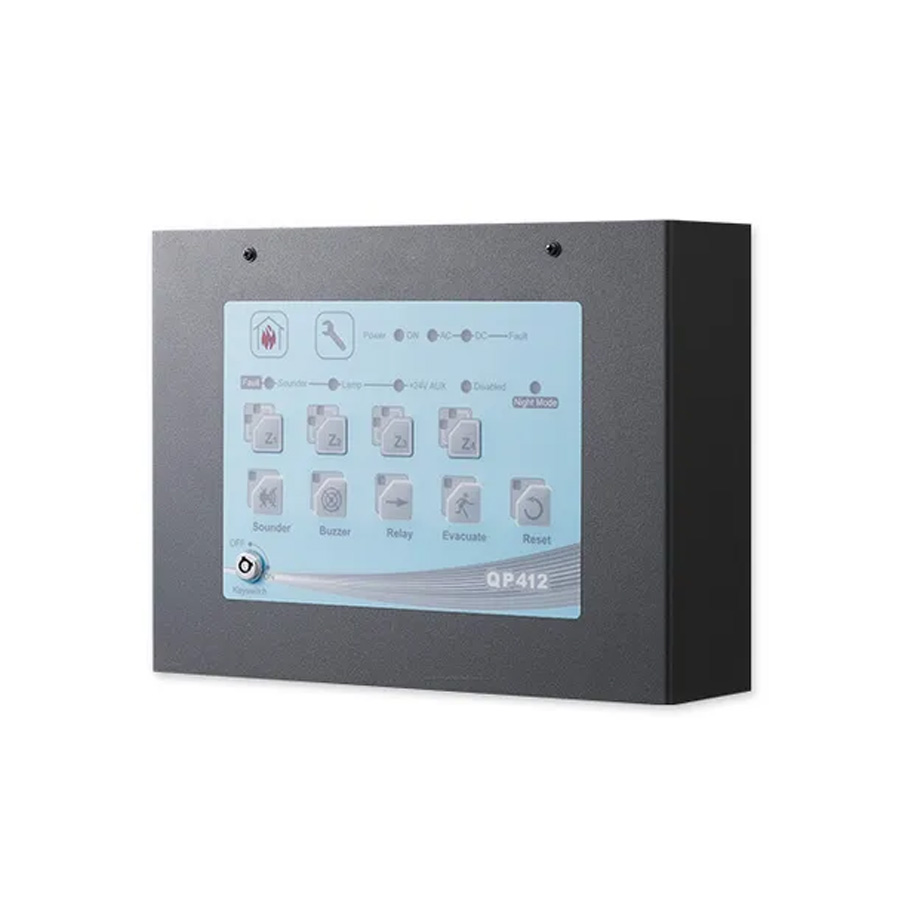
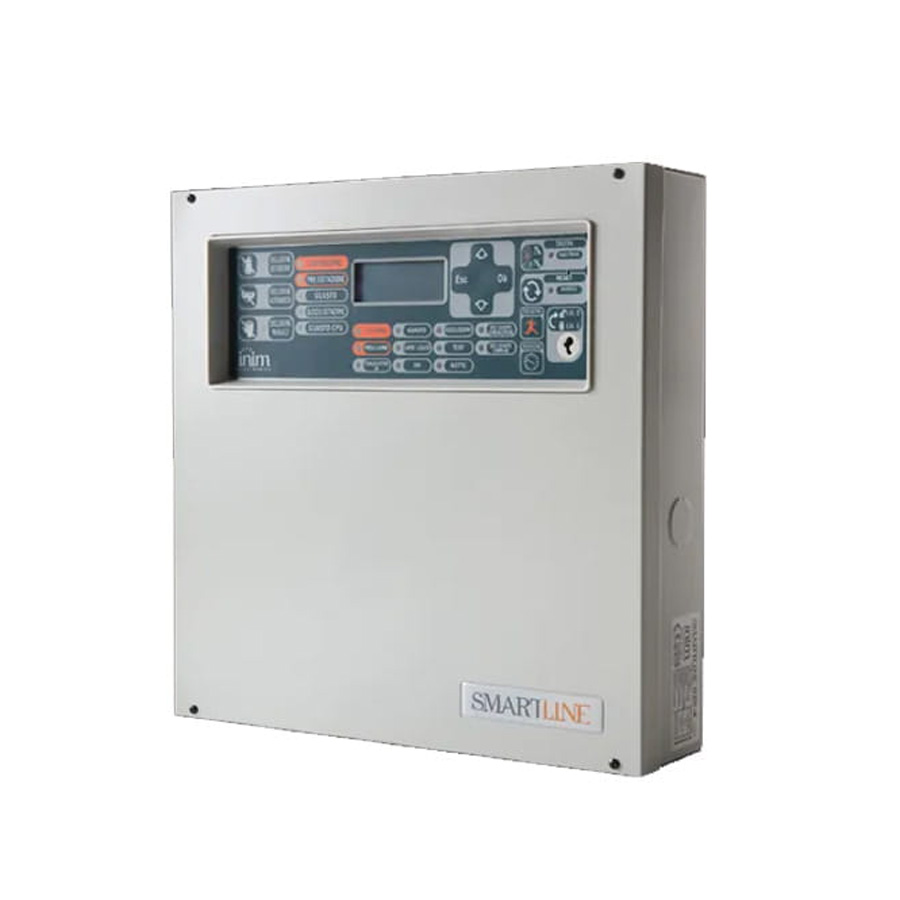
Fire Alarm Panels in Pakistan at Affordable Price
Fire safety has become a critical requirement for modern buildings where people, equipment, and valuable assets must be protected from potential fire hazards. A reliable fire detection infrastructure depends heavily on fire alarm panels, which act as the central control unit of the entire fire detection network. These panels continuously monitor connected devices and ensure that signals from detectors are processed quickly so alarm notifications can be activated during emergencies.
A fire alarm control panel manages communication between different devices that form the overall fire alarm control system. Smoke detectors, heat detectors, manual call points, and alarm sounders are all connected to the control unit. When smoke or abnormal heat is detected, the control panel immediately receives the signal and activates the alarm system to warn occupants. This centralized monitoring is essential for maintaining an effective building fire safety system in commercial and industrial environments.
Fire alarm panels are designed to provide continuous monitoring and fast emergency response. Modern systems allow facility managers to observe the status of connected devices, identify alarm signals, and monitor system faults. A reliable fire alarm monitoring system ensures that potential fire hazards are detected early and that building occupants receive timely alerts. This capability helps improve overall safety management and reduces the risk of serious fire related incidents.
Different types of buildings depend on dependable fire alarm panels to maintain safety and operational continuity. Offices use fire alarm control systems to monitor workspaces, meeting rooms, and equipment areas where electrical systems are present. Hospitals require advanced fire monitoring to protect patients, medical staff, and sensitive medical equipment. Shopping malls also rely on centralized fire detection infrastructure because they accommodate large numbers of visitors and retail operations every day.
Warehouses and storage facilities often contain large quantities of goods, packaging materials, and electrical equipment that may increase fire risks. Installing a reliable fire alarm control panel allows facility managers to monitor storage areas and detect smoke or temperature changes before they develop into serious hazards. Industrial facilities also require dependable fire detection systems to monitor machinery areas, production sections, and storage zones where fire risks may occur.
A well designed fire alarm control system connects multiple detection devices to create a coordinated safety network. Smoke detectors monitor the air for signs of fire, heat detectors identify abnormal temperature increases, and manual call points allow occupants to trigger alarms if they notice smoke or flames. These devices work together through the fire alarm control panel to ensure that warning signals are delivered quickly and clearly.
Modern fire safety solutions also focus on reliability and long term performance. High quality fire alarm panels are designed to support multiple detection zones, monitor system conditions, and provide accurate alarm notifications. By integrating advanced monitoring technology with a dependable building fire safety system, businesses and facility managers can ensure continuous protection for people, equipment, and infrastructure.
Choosing the right fire alarm panel helps strengthen fire detection capabilities and improve emergency preparedness. A properly installed fire alarm control system ensures that alarms are activated quickly when smoke or heat is detected, allowing occupants to evacuate safely and emergency teams to respond efficiently. For buildings that require dependable fire protection, professional fire alarm panels provide an essential foundation for effective fire safety management.
What is a Fire Alarm Control Panel?
A fire alarm control panel is the central monitoring unit of a fire detection system. It acts as the main control point that manages communication between different fire detection devices installed throughout a building. Smoke detectors, heat detectors, manual call points, and alarm sounders are all connected to this unit, allowing the system to monitor building conditions continuously and respond quickly when a fire hazard is detected.
The fire detection control unit plays an important role in maintaining an effective fire safety infrastructure. It constantly receives signals from connected detectors that monitor smoke, temperature changes, or manual activation. When a detector senses smoke or abnormal heat, the device sends a signal to the control panel. The panel then processes this information and activates the alarm system so occupants can respond immediately.
A reliable fire alarm monitoring system ensures that fire detection devices operate together as a coordinated safety network. The control panel monitors multiple zones or devices across different areas of the building and displays alarm signals when a hazard is detected. This centralized monitoring helps building managers and safety personnel identify the affected area and take action quickly.
Another key function of a fire alarm control panel is processing alarm signals and system notifications. When an alarm is triggered, the panel activates sounders and visual alert devices that warn occupants about potential danger. At the same time, the panel can indicate system faults, maintenance alerts, or device communication issues to ensure the fire detection network remains operational.
Modern fire detection infrastructure depends on a dependable fire detection control unit to manage all connected devices and maintain system reliability. By providing centralized monitoring, continuous device communication, and rapid alarm signal processing, the control panel forms the core of an effective fire alarm monitoring system that helps protect people and property from fire related risks.
Why Fire Alarm Panels Are Essential for Building Safety
Fire safety systems rely on effective monitoring and quick response during emergencies. Fire alarm panels play a central role in managing the entire detection network and ensuring that fire hazards are identified as early as possible. These panels act as the main control point for a building fire safety system, allowing connected detectors and alarm devices to communicate with a central monitoring unit. By managing signals from multiple detection devices, the system helps maintain reliable fire protection across different areas of a building.
One of the most important advantages of using fire alarm panels is centralized fire monitoring. A professional fire detection monitoring system allows building managers and safety personnel to observe signals from smoke detectors, heat detectors, and manual call points through a single control interface. When a device detects smoke or abnormal heat levels, the panel processes the signal and identifies the affected area. This centralized monitoring helps safety teams respond quickly and investigate potential fire hazards without delay.
Fast emergency alerts are another critical benefit of fire alarm panels. Once a hazard is detected, the panel immediately activates alarm sounders and visual indicators to notify occupants. These rapid alerts allow people inside the building to follow evacuation procedures and move to safe areas. Early warnings are essential in environments where large numbers of people are present and quick response is necessary to prevent injuries or property damage.
Fire alarm panels also provide seamless integration with different fire detection devices. Smoke detectors, heat detectors, manual call points, and alarm sounders all work together through the control panel to form a coordinated safety network. This integration strengthens the overall commercial fire protection system by ensuring that detection signals are transmitted and processed efficiently.
Buildings such as offices, hospitals, and large commercial facilities require reliable fire monitoring because they accommodate many occupants and contain valuable equipment. Installing dependable fire alarm panels allows these environments to maintain continuous monitoring and immediate emergency alerts. By supporting a strong building fire safety system, fire alarm panels help protect people, safeguard assets, and improve overall emergency preparedness.
Types of Fire Alarm Panels Used in Modern Buildings
Modern fire detection systems use different types of fire alarm panels depending on the size of the building, the complexity of the detection network, and the level of monitoring required. These panels serve as the main control units that manage communication between detectors, manual call points, and alarm devices. Understanding the different panel types helps building owners choose the most suitable fire detection solution for their safety requirements. The most common categories include addressable panels, conventional panels, and hybrid systems.
Addressable Fire Alarm Panels
An addressable fire alarm panel is designed for advanced monitoring and precise detection in large buildings. In this system, every device connected to the network is assigned a unique address. Smoke detectors, heat detectors, and manual call points send signals directly to the control panel, allowing it to identify the exact device that triggered the alarm.
This structure creates an intelligent fire alarm system that can provide detailed information about the location of a fire hazard. When smoke or abnormal heat is detected, the panel displays the specific device and area where the alarm originated. This capability improves emergency response because safety personnel can quickly locate the affected area.
Addressable systems also support advanced fire detection control, allowing building managers to monitor device status, system faults, and maintenance requirements. These panels are commonly used in large buildings such as hospitals, shopping malls, hotels, and corporate offices where accurate detection and detailed monitoring are essential.
Conventional Fire Alarm Panels
A conventional fire alarm panel operates through a zone based detection structure. Instead of identifying individual devices, the system groups detectors and alarm devices into zones that represent different areas of a building. When a detector senses smoke or heat, the fire alarm control panel identifies the zone where the alarm occurred.
This zone based fire alarm system provides reliable fire detection while keeping the system design simple and easy to manage. Conventional panels are commonly used in small and medium sized buildings where detection areas can be divided into clear zones. Offices, schools, retail shops, and small commercial facilities often use this type of panel because it offers dependable monitoring with straightforward installation and maintenance.
Hybrid Fire Alarm Panels
A hybrid fire alarm panel combines features from both addressable and conventional systems. This type of panel supports multiple detection technologies and allows different types of devices to operate within the same network. By integrating addressable and conventional devices, the system creates an integrated fire alarm system that offers flexible monitoring capabilities.
Hybrid panels are useful for buildings that require a combination of detection technologies or for facilities that plan to expand their fire safety infrastructure in the future. The ability to connect different device types allows building managers to upgrade detection systems gradually while maintaining continuous fire protection.
Key Features of Modern Fire Alarm Panels
Modern fire alarm panels are designed with advanced monitoring and control capabilities that improve the overall effectiveness of fire detection systems. These panels serve as the central management unit of the entire fire alarm network, ensuring that signals from detectors and alarm devices are monitored and processed continuously. By integrating advanced technologies, modern systems create a dependable fire alarm monitoring system that helps identify potential hazards and activate alarms quickly.
One of the most important features of modern fire alarm panels is real time monitoring. The control panel continuously observes signals from connected smoke detectors, heat detectors, and manual call points installed throughout the building. This real time monitoring allows the system to detect changes in environmental conditions immediately and respond when smoke or heat is identified. Through a reliable fire alarm monitoring system, building managers can maintain constant oversight of the fire detection network.
Another key feature is alarm signal processing. When a detector senses smoke or abnormal heat levels, it sends a signal to the control panel. The panel then processes this signal and determines whether an alarm should be activated. This process helps ensure that the system responds accurately to real fire hazards while maintaining dependable system performance.
System fault detection is also an essential capability of modern fire alarm panels. The control unit can monitor the condition of connected devices and identify faults such as communication errors, wiring issues, or malfunctioning detectors. This feature helps technicians detect maintenance requirements early and ensures that the fire detection network continues to operate effectively.
Device communication is another important function of advanced fire alarm panels. The panel maintains constant communication with detectors, manual call points, and alarm sounders to ensure that all devices remain connected and responsive. This continuous communication supports intelligent fire detection by allowing the system to transmit signals quickly and coordinate alarm notifications throughout the building.
By combining real time monitoring, alarm signal processing, system fault detection, and device communication, modern fire alarm panels provide reliable control for fire detection systems. These technological capabilities strengthen intelligent fire detection and help ensure that fire hazards are detected quickly, allowing occupants to respond safely during emergency situations.
Components Connected to Fire Alarm Panels
A fire alarm panel works as the central control unit that manages communication between different fire detection and alarm devices installed throughout a building. These connected components form a complete fire safety network that monitors environmental conditions and alerts occupants when a fire hazard is detected. Each device plays a specific role in detecting smoke, identifying heat changes, or providing emergency alerts. By integrating multiple detection and notification devices, the fire alarm panel helps maintain an effective fire monitoring system.
Smoke Detectors and Heat Detectors
Smoke detectors and heat detectors are essential devices connected to fire alarm panels. A smoke detector system monitors the air for smoke particles that may indicate the early stages of a fire. When smoke is detected, the device sends a signal to the fire alarm panel, which then activates alarm notifications across the building.
A heat detection device is designed to monitor temperature changes in environments where smoke detection may not always be effective. These detectors respond when the temperature rises above a preset level or increases rapidly within a short period. Heat detectors are commonly used in areas such as kitchens, industrial workspaces, and mechanical rooms where smoke detectors may trigger false alarms due to environmental conditions.
Manual Call Points
Manual call points allow occupants to activate the alarm system manually if they notice smoke or flames before automatic detectors respond. A fire alarm call point is usually installed in visible and easily accessible areas such as corridors, stairways, and near building exits.
When someone presses the device, the MCP fire alarm sends an immediate signal to the control panel, triggering the alarm system throughout the building. This manual activation provides an additional layer of safety by ensuring that occupants can alert others quickly during emergency situations.
Alarm Sounders and Notification Devices
Alarm sounders and notification devices are responsible for warning occupants when the fire detection system identifies a potential hazard. A fire alarm sounder produces a loud audible signal that can be heard across different areas of the building, ensuring that people become aware of the emergency quickly.
These devices provide clear emergency fire alarm alerts that prompt occupants to follow evacuation procedures. In many installations, sounders are combined with visual indicators such as flashing lights to ensure that alerts are noticeable even in noisy environments or areas where people may not immediately hear the alarm.
Fire Alarm Panel Price in Pakistan
The fire alarm panel price in Pakistan can vary depending on several technical and operational factors. Fire alarm panels are the central control units of a fire detection system, and their cost depends on the type of panel, the number of connected devices, and the size of the building where the system will be installed. Businesses and facility managers often evaluate these factors carefully to determine the most suitable system for their safety requirements and budget.
One of the main factors that influences the fire alarm control panel price is the type of panel being used. Conventional panels are generally more affordable because they operate using zone based detection. Addressable panels, on the other hand, use advanced technology that identifies the exact device triggering the alarm, which can increase the overall cost. Hybrid panels that support both conventional and addressable devices may also affect pricing depending on their configuration.
The number of zones supported by the panel also plays a major role in determining the fire alarm panel price in Pakistan. A panel with more zones can monitor a larger number of areas within a building. Small buildings may only require a few zones, while larger facilities such as hospitals, shopping centers, or industrial sites may require panels with many zones to cover multiple sections.
Brand selection is another factor that affects the fire alarm control panel price. Panels manufactured by well known fire safety brands often provide advanced monitoring features, improved reliability, and better system performance. While premium brands may have higher initial costs, they often offer greater durability and dependable operation over time.
System size also influences the final price. Buildings with larger fire detection networks require panels that support multiple detectors, alarm devices, and communication modules. The more devices that need to be monitored, the more capable the panel must be to manage the entire fire detection system.
Installation requirements can also affect the total cost of a fire alarm panel system. Buildings with complex layouts or multiple floors may require additional wiring, configuration, and system testing to ensure that all devices communicate properly with the panel. Professional installation helps ensure that the fire detection infrastructure operates reliably and meets safety standards.
By considering panel type, zone capacity, brand quality, system size, and installation requirements, businesses can better understand the fire alarm panel price in Pakistan and choose a control panel that provides reliable fire monitoring and long term safety protection.
Industries That Require Fire Alarm Panels
Fire alarm panels are essential components of modern fire detection systems and are widely used across different industries where continuous safety monitoring is required. These panels manage communication between detectors and alarm devices, helping buildings respond quickly when a fire hazard is detected. Many sectors rely on fire alarm panels as part of a reliable commercial fire alarm system or industrial fire alarm system to protect people, infrastructure, and valuable assets.
Corporate offices require dependable fire monitoring because workplaces often contain electrical equipment, servers, and communication systems that operate throughout the day. Installing fire alarm panels as part of a commercial fire alarm system helps monitor office areas, meeting rooms, and equipment spaces to ensure early detection of smoke or heat.
Shopping malls also depend on advanced fire detection infrastructure due to the large number of visitors and retail operations inside the building. Fire alarm panels allow safety teams to monitor multiple areas of the mall and activate alarm notifications quickly if a hazard is detected. This centralized monitoring helps maintain safety for customers, employees, and retail businesses.
Hospitals require highly reliable fire detection systems because they operate continuously and accommodate patients who may require assistance during evacuation. Fire alarm panels help monitor patient wards, laboratories, and medical equipment areas. Integrating these panels into a professional commercial fire alarm system ensures that early warnings are delivered quickly and that hospital staff can respond effectively.
Warehouses often store large volumes of goods, packaging materials, and equipment that may increase fire risks. Installing a dependable industrial fire alarm system allows facility managers to monitor storage areas and detect smoke or temperature changes at an early stage. Fire alarm panels help ensure that alarms are activated quickly if a fire hazard occurs.
Manufacturing facilities also require strong fire protection infrastructure because machinery, electrical equipment, and production processes may create fire risks. A well designed industrial fire alarm system helps monitor production areas and equipment sections to ensure early detection and immediate alerts.
Hotels rely on fire alarm panels to maintain safety for guests and staff around the clock. With multiple floors, guest rooms, kitchens, and service areas, hotels require centralized monitoring to detect potential fire hazards quickly. Fire alarm panels support a reliable commercial fire alarm system that helps ensure timely alerts and safe evacuation during emergencies.
Because these industries involve large buildings and high occupancy environments, dependable fire alarm panels are essential for maintaining effective fire detection and emergency response systems.
Fire Alarm Panel Installation and Configuration
Proper installation and configuration are essential to ensure that fire alarm panels operate effectively and provide reliable monitoring across the building. Professional fire alarm installation services follow a structured process that includes system planning, panel setup, device integration, and final system testing. Each step helps ensure that the fire detection network functions correctly and provides timely alerts during emergencies.
System planning is the first stage of the installation process. Technicians evaluate the building layout, identify high risk areas, and determine the most suitable locations for detectors and alarm devices. This planning stage helps create an effective fire safety system installation by ensuring that the panel and connected devices can monitor all important areas of the building.
Panel setup is the next important step. During this stage, the fire alarm control panel is installed and configured to manage communication with all connected detection devices. The panel is programmed to monitor signals from smoke detectors, heat detectors, and manual call points so that alarms can be activated when a hazard is detected.
Device integration follows the panel setup process. Technicians connect smoke detectors, heat detectors, alarm sounders, and manual call points to the control panel through the fire detection network. Proper integration ensures that each device communicates correctly with the panel and that alarm signals are transmitted without delay.
The final stage of fire alarm installation services involves system testing. Technicians test detectors, manual call points, and alarm sounders to confirm that the system responds correctly when smoke or heat is detected. This testing process verifies that the entire fire safety system installation operates properly and that alarm notifications are delivered throughout the building.
By following proper installation and configuration procedures, fire alarm panels can provide dependable monitoring and early warning alerts, helping ensure that building occupants remain protected during fire emergencies.
Why Choose PAK Communication for Fire Alarm Panels
Selecting the right supplier is essential when installing reliable fire detection infrastructure. Businesses and facility managers require a trusted partner that can provide high quality equipment, professional installation, and dependable technical support. PAK Communication offers complete fire safety solutions and is recognized as a reliable fire alarm panel supplier for organizations that need dependable fire protection systems.
One of the key advantages of working with PAK Communication is access to certified fire detection products that meet recognized safety standards. The company provides high quality fire alarm panels and related devices designed for accurate monitoring and reliable performance. Using certified equipment ensures that buildings operate with dependable fire detection systems capable of identifying hazards quickly.
PAK Communication also works with trusted international brands that manufacture advanced fire alarm technology. These brands are known for producing durable control panels, detectors, and alarm devices that are widely used in commercial and industrial fire safety systems. As an experienced fire alarm equipment provider, the company ensures that customers receive products that meet professional safety requirements.
Professional installation services are another important benefit. Proper installation is necessary for ensuring that fire alarm panels communicate effectively with detectors and alarm devices across the building. The technical team performs system planning, panel setup, and device integration to ensure that the fire detection infrastructure operates efficiently and delivers accurate alarm notifications.
Technical support also plays a vital role in maintaining system reliability. Fire alarm systems require regular monitoring, maintenance guidance, and troubleshooting support to ensure long term performance. PAK Communication provides ongoing assistance to help organizations maintain their fire detection systems and address technical issues when necessary.
By offering certified equipment, trusted international brands, professional installation, and reliable technical support, PAK Communication provides complete fire safety solutions for businesses and facilities. As a dependable fire alarm panel supplier and experienced fire alarm equipment provider, the company helps organizations strengthen their fire protection infrastructure and maintain safer buildings.
Buy Fire Alarm Panels in Pakistan
Installing reliable fire alarm panels is an important step in building an effective fire detection system for commercial, industrial, and institutional facilities. These panels act as the central control unit that manages communication between detectors, manual call points, and alarm sounders. By using a dependable fire alarm control panel, buildings can monitor fire hazards continuously and ensure that alarm notifications are activated quickly during emergency situations.
Businesses and facility managers can choose from different types of fire alarm panels depending on the size of the building and the complexity of the fire detection system. One of the most commonly used options is the addressable panel. Addressable fire alarm panels allow each connected device to have a unique address, which enables the control panel to identify the exact device that triggers an alarm. This advanced monitoring capability is particularly useful for large buildings where precise detection is required.
Another widely used option is the conventional panel. Conventional fire alarm panels organize detectors and alarm devices into zones that represent different sections of a building. When smoke or heat is detected, the fire alarm control panel identifies the affected zone and activates alarms across the system. These panels are commonly used in small and medium sized buildings where zone based monitoring provides effective fire detection.
Many facilities also require multi zone panels that can monitor multiple sections of a building simultaneously. These panels allow safety teams to manage fire detection across several areas, making them suitable for larger offices, warehouses, and commercial facilities that need expanded monitoring coverage.
Control units and advanced monitoring panels are also available for buildings that require a comprehensive fire detection infrastructure. These fire alarm control panel units are designed to support multiple detection devices, provide real time monitoring, and deliver reliable alarm notifications when hazards are detected.
Businesses looking to improve their fire safety infrastructure can explore a wide range of fire alarm panels designed for different building requirements. Addressable panels, conventional panels, multi zone panels, and advanced control units all play an important role in creating a dependable fire detection system that protects people, equipment, and property from potential fire risks.