


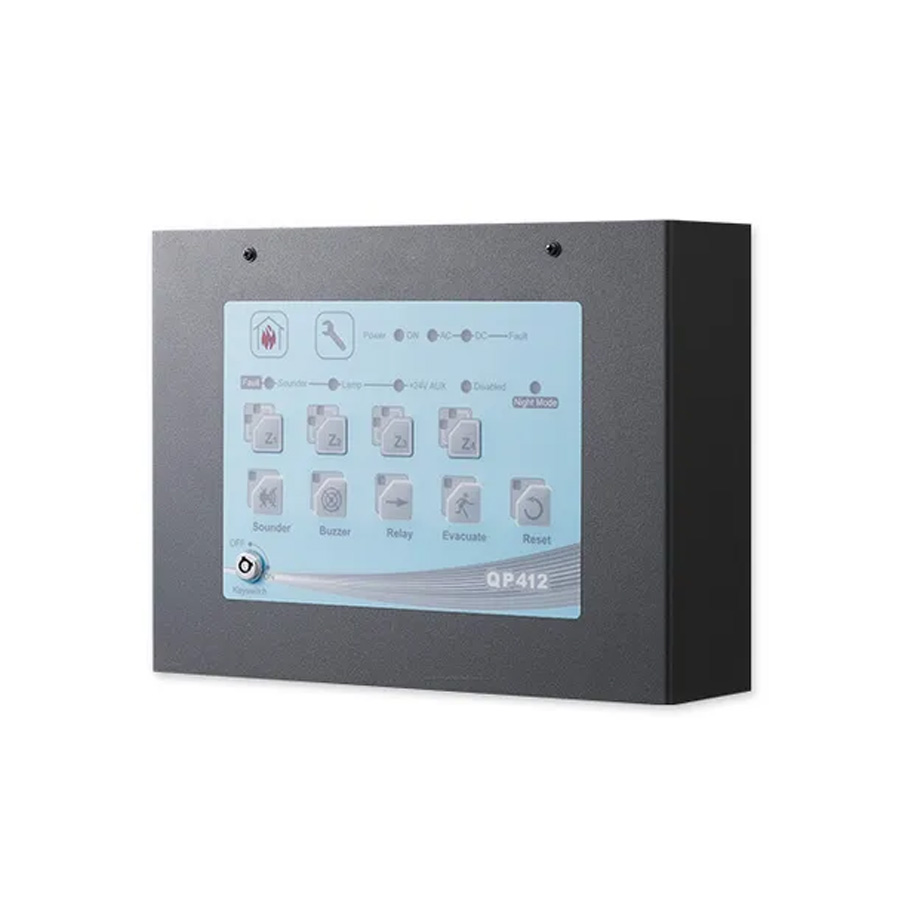
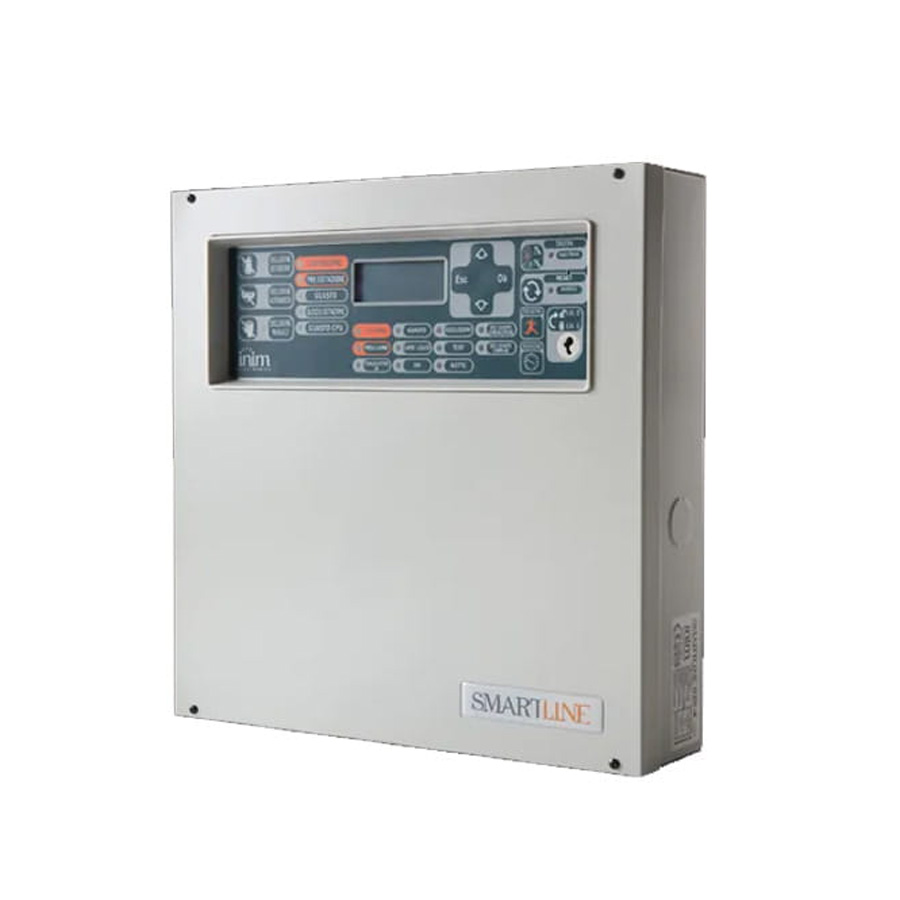


What is a Conventional Fire Alarm System with Fire Alarm Control Panel?
A Conventional Fire Alarm System is a widely used fire detection and alarm system designed to monitor buildings and provide early warning when smoke or heat is detected. This system operates using zone-based fire detection, where different areas of a building are divided into specific zones. It works through a centralized conventional fire alarm panel or fire alarm control panel, which receives signals and manages the entire detection process.
In a conventional fire alarm system, each zone may represent a floor, corridor, room group, or department within the building. When a detector senses smoke or heat, the signal is sent to the conventional fire alarm panel, which identifies the zone where the alarm has been triggered. This allows safety teams to quickly locate and respond to the affected area.
A key component of a conventional fire detection system is the fire alarm control panel, also known as a fire alarm control unit, which acts as the central monitoring hub. All detectors, manual call points, and alarm devices are connected to this fire alarm control system through communication wiring. The panel continuously monitors signals from each zone and activates alarms when a fire hazard is detected.
In a zone-based fire alarm system, detectors such as smoke detectors and heat detectors are grouped within specific zones. When any device detects smoke or abnormal temperature, the signal is transmitted to the conventional fire alarm panel, which then indicates the affected zone. Although it does not identify the exact device, the fire alarm control panel still provides sufficient information for quick investigation and response.
Another important aspect of a conventional fire alarm system is how it differs from advanced systems. Unlike an addressable fire alarm system, which identifies individual devices, a conventional fire alarm panel works on zone-level detection. Despite this, it remains a reliable and cost-effective fire protection system for many buildings.
A properly installed conventional fire alarm system includes components such as detectors, manual call points, alarm sounders, and a central fire alarm control panel. Together, these devices create an integrated fire detection system that continuously monitors building conditions and provides alerts during emergencies. Due to its simple design and dependable performance, a zone-based fire alarm system is widely used in offices, schools, warehouses, retail stores, and other commercial environments.
Conventional Fire Alarm Panel and Control System Overview
The Conventional Fire Alarm Panel is the central unit of a Conventional Fire Alarm System, responsible for monitoring and controlling all connected devices within the building. Also known as a fire alarm control panel, fire alarm control unit, or fire alarm control system, it acts as the core of the entire fire detection and alarm system.
What is a Conventional Fire Alarm Panel?
A conventional fire alarm panel is a centralized control device that receives signals from detectors, manual call points, and alarm devices installed across different zones. It processes these signals and activates alarms when a fire hazard is detected.
Unlike advanced systems, a conventional fire alarm panel does not identify individual devices but instead indicates the zone where the alarm has been triggered. This makes it a practical and cost-effective fire alarm control panel for small to medium-sized buildings.
Also Known as Fire Alarm Control Panel / Control Unit
The conventional fire alarm panel is commonly referred to as:
- fire alarm control panel
- fire alarm control unit
- fire alarm control system
These terms describe the same central device that manages the entire conventional fire alarm system and ensures proper communication between all components.
Role in Conventional Fire Alarm System
The conventional fire alarm panel plays a critical role in system operation. It continuously monitors signals from all connected devices and responds instantly when smoke or heat is detected.
Key functions include:
- Receiving signals from detectors
- Processing alarm conditions
- Activating sounders and notification devices
- Displaying zone-based alerts on the fire alarm control panel
This makes the fire alarm control unit essential for maintaining building safety and ensuring quick emergency response.
Zone Indication Concept
A defining feature of a conventional fire alarm system is its zone-based detection approach. Devices are grouped into zones, and each zone is connected to the conventional fire alarm panel.
When a fire hazard is detected:
- The signal is sent to the fire alarm control panel
- The panel indicates the specific zone
- Safety teams investigate the affected area
Although it does not provide exact device location, the conventional fire alarm panel still offers reliable and efficient monitoring for buildings where detailed pinpoint detection is not required.
Reliable Solution for Karachi Buildings
For many businesses in Karachi, a conventional fire alarm panel offers a simple and dependable solution for fire detection. Suppliers like PAK Communication provide certified fire alarm control panels and complete system solutions, ensuring proper installation and long-term reliability.
By integrating a robust conventional fire alarm panel within a conventional fire alarm system, organizations can achieve effective zone-based monitoring, quick alerts, and improved fire safety management.
How Conventional Fire Alarm System Works with Fire Alarm Panel
A Conventional Fire Alarm System operates through a centralized conventional fire alarm panel, which manages communication between all connected devices and provides basic zone-based monitoring. This fire detection and alarm system follows a simple and reliable workflow that ensures early detection and quick alert activation.
Devices to Conventional Fire Alarm Panel
In a conventional fire alarm system, devices such as smoke detectors, heat detectors, and manual call points are connected to a fire alarm control panel through wired circuits.
When any device detects smoke or abnormal temperature:
- A signal is sent to the conventional fire alarm panel
- The fire alarm control unit receives and processes the signal
- The system identifies the zone where the alarm originated
This communication structure allows the fire alarm control system to monitor multiple areas within a building efficiently.
Zone-Based Signal Flow
The defining feature of a conventional fire alarm system is its zone-based detection. Each group of devices is assigned to a specific zone connected to the conventional fire alarm panel.
When a fire hazard occurs:
- The detector sends a signal to the fire alarm control panel
- The panel indicates the affected zone
- Safety teams investigate the specific area
Although the system does not identify the exact device, the conventional fire alarm panel provides sufficient information for quick response.
Panel to Alarm Activation
Once the conventional fire alarm panel receives a signal, it immediately activates alarm devices across the building.
This includes:
- Alarm sounders
- Visual indicators
- Notification systems
The fire alarm control panel ensures that occupants are alerted quickly so evacuation procedures can begin without delay.
Basic Monitoring via Fire Alarm Control Panel
A fire alarm control panel in a conventional system provides continuous but basic monitoring of all connected zones. The conventional fire alarm panel tracks alarms and system status but does not offer advanced device-level data like modern systems.
Despite this, the fire alarm control system remains reliable and effective for small to medium-sized buildings where simple monitoring is sufficient.
Why Conventional Fire Alarm Systems Are Popular in Pakistan
Many organizations choose a conventional fire alarm system because it offers a dependable and practical solution for early fire detection. These systems are widely used in commercial and institutional buildings where reliable monitoring is required without the complexity of advanced fire detection infrastructure. By identifying smoke or heat in specific building zones, a conventional system helps occupants receive early warning and respond quickly during emergency situations.
One of the main reasons for the popularity of conventional systems is affordability. Compared with more advanced detection technologies, a conventional fire detection system is generally more cost effective to install and maintain. This makes it a suitable option for offices, schools, retail stores, and small commercial facilities that require reliable fire protection without a large installation budget.
Reliability is another important advantage. A properly installed commercial fire alarm system can continuously monitor smoke detectors, heat detectors, and manual call points connected to the system. When a detector senses smoke or abnormal temperature changes, the alarm panel activates sounders and alerts building occupants. This dependable operation helps improve overall building fire protection and ensures that early warnings are delivered during critical situations.
Conventional fire detection systems are also ideal for small and medium sized buildings where safety monitoring can be organized into zones. Each zone may represent a specific floor or section of a building, allowing safety personnel to quickly identify the general area where an alarm has been triggered. This structured monitoring approach helps simplify fire safety management in offices, educational institutions, and commercial spaces.
Another reason many property owners prefer this solution is the simplicity of installation and operation. Conventional systems require less complex configuration and can be installed using standard wiring connections between detectors and the fire alarm control panel. Because of this straightforward structure, technicians can install and maintain the system efficiently while ensuring dependable fire detection.
For businesses that require practical fire protection, a conventional fire alarm system remains one of the most widely used solutions. Its combination of affordability, reliability, and simple maintenance makes it an effective option for improving fire safety in many types of buildings.
Main Components of a Conventional Fire Alarm System
A conventional fire alarm system is built from several interconnected devices that work together to detect fire hazards and alert occupants quickly. These systems follow a zone based structure where detectors, manual call points, and alarm devices are connected to a central monitoring unit. When smoke or heat is detected, the system sends a signal to the control panel, which then activates alarms across the building. Understanding the main components of this system helps explain how fire detection technology operates and how different devices contribute to effective fire safety.
Conventional Fire Alarm Panel
The conventional fire alarm panel serves as the central control unit of the entire fire detection system. All detectors, manual call points, and alarm devices are connected to this fire alarm control panel, which continuously monitors signals from different zones within the building. When a detector senses smoke or abnormal heat levels, the control panel receives the signal and activates the alarm system.
This control unit is widely used in environments such as offices, educational institutions, and commercial buildings where safety monitoring is essential. For example, many offices and schools in Karachi install a conventional fire alarm panel to monitor classrooms, corridors, and workspaces through clearly defined zones. This structure allows building managers to quickly identify the area where an alarm has been triggered.
Smoke Detectors for Early Fire Detection
A smoke detector is one of the most important components of a conventional fire detection system. These devices continuously monitor the air for smoke particles that may indicate the early stages of a fire. When smoke is detected, the detector sends a signal to the control panel, which then activates alarms throughout the building.
Modern fire detection sensors are designed to detect smoke quickly while minimizing the chances of false alarms. By installing smoke detectors in strategic locations such as hallways, offices, and storage areas, buildings can improve early fire detection and provide occupants with valuable time to respond to emergencies.
Heat Detectors for High Temperature Areas
A heat detector system is designed to detect abnormal temperature increases that may indicate a developing fire. These detectors are especially useful in areas where smoke detectors may not function effectively due to environmental conditions such as dust or steam.
Each fire detection device in this category monitors temperature levels and triggers an alarm when the temperature rises beyond a preset threshold. Heat detectors are commonly installed in factories, industrial facilities, and kitchens where equipment or cooking activities may produce smoke that could trigger false alarms. By monitoring temperature changes, heat detectors provide reliable detection in high temperature environments.
Manual Call Points (MCP Fire Alarm)
Manual call points allow occupants to activate the alarm system manually when they notice smoke or flames. An MCP fire alarm device is typically installed in visible and easily accessible areas such as corridors, stairways, and near building exits.
When a person presses the fire alarm call point, the device sends an immediate signal to the control panel and activates the building alarm system. This manual activation feature ensures that occupants can trigger the alarm quickly even before automatic detectors respond to a developing fire.
Alarm Sounders and Visual Indicators
Alarm notification devices are responsible for warning occupants when a fire hazard is detected. A fire alarm sounder produces a loud audible alert that can be heard throughout the building, signaling that an emergency situation has occurred.
In many installations, sounders are combined with flashing lights to improve visibility during alarms. These devices provide clear emergency fire alarm notifications so that occupants can recognize the warning signals and follow evacuation procedures. Audible and visual alerts together help ensure that everyone inside the building becomes aware of the emergency and responds quickly.
Advantages of Conventional Fire Alarm System with Fire Alarm Panel
A Conventional Fire Alarm System remains one of the most widely used fire detection and alarm systems because it offers reliable protection with a simple and practical design. With the support of a centralized conventional fire alarm panel or fire alarm control panel, this system provides efficient zone-based monitoring for various types of buildings.
Cost-Effective Fire Protection Solution
One of the main advantages of a conventional fire alarm system is its affordability. Compared to advanced systems, a conventional fire protection system requires lower initial investment, making it ideal for budget-conscious projects.
The use of a conventional fire alarm panel keeps system design simple and cost-effective, especially for small to medium-sized buildings such as offices, retail shops, and commercial spaces in Karachi.
Simple Installation and Setup
A conventional fire alarm system is easy to install due to its straightforward wiring and zone-based configuration. Devices are connected directly to the fire alarm control panel, reducing installation complexity.
This simplicity makes the fire alarm control system suitable for buildings where quick and efficient installation is required without complicated configurations.
Basic Monitoring via Conventional Fire Alarm Panel
The conventional fire alarm panel provides centralized yet basic monitoring of all connected zones. The fire alarm control panel continuously tracks signals from detectors and displays the zone where a fire hazard is detected.
Although it does not offer device-level identification, the fire alarm control unit provides sufficient information for building managers to take immediate action.
Suitable for Small and Medium-Sized Buildings
A conventional fire alarm system is best suited for smaller buildings where fire detection can be divided into zones. Environments such as:
- Small offices
- Retail stores
- Schools
- Clinics
- Commercial units
can effectively use a conventional fire alarm panel for reliable monitoring without the need for advanced systems.
Easy Maintenance and Operation
Maintenance is simpler in a conventional fire alarm system because devices are grouped into zones and connected through basic wiring. Technicians can easily inspect and test the system using the fire alarm control panel.
The conventional fire alarm panel also provides clear zone indications, allowing quick troubleshooting and efficient system management.
Reliable Detection and Quick Alerts
Despite its simplicity, a conventional fire alarm system offers dependable detection using smoke detectors, heat detectors, and manual call points. These devices communicate with the fire alarm control panel, which activates alarms instantly when a hazard is detected.
This ensures timely alerts and strengthens overall fire protection systems in buildings.
Conventional Fire Alarm Panel vs Addressable Fire Alarm Panel
When comparing a Conventional Fire Alarm Panel with an Addressable Fire Alarm Panel, the key differences lie in detection method, cost, system complexity, and overall performance. Both systems are part of modern fire detection and alarm systems, but they are designed for different types of buildings and requirements.
Zone-Based vs Device-Level Detection
A conventional fire alarm panel works on a zone-based detection system, where multiple devices are grouped into zones. When an alarm is triggered, the fire alarm control panel only indicates the affected zone, not the exact device.
In contrast, an addressable fire alarm panel provides device-level detection, identifying the exact detector that triggered the alarm. This makes the addressable fire alarm system more precise and efficient for large buildings.
Cost Comparison
A conventional fire alarm panel is more affordable and is commonly used in small to medium-sized buildings. The overall conventional fire alarm system has lower installation and equipment costs.
On the other hand, an addressable fire alarm panel is more expensive due to advanced technology, but it offers higher accuracy and better monitoring capabilities within a fire alarm control system.
Complexity vs Simplicity
A conventional fire alarm system is simple to design, install, and operate. The conventional fire alarm panel uses basic wiring and straightforward configuration, making it easy for technicians to manage.
In comparison, an addressable fire alarm system is more complex and requires advanced configuration through a fire alarm control panel. However, this complexity provides better control, scalability, and system intelligence.
Use Cases and Applications
A conventional fire alarm panel is ideal for:
- Small offices
- Retail shops
- Schools
- Clinics
- Small commercial buildings
An addressable fire alarm panel is suitable for:
- High-rise buildings
- Hospitals
- Shopping malls
- Industrial facilities
- Large commercial complexes
Choosing between the two depends on building size, safety requirements, and budget.
Quick Comparison Table
| Feature | Conventional Fire Alarm Panel | Addressable Fire Alarm Panel |
|---|---|---|
| Detection | Zone-based | Device-level |
| Accuracy | Moderate | High |
| Cost | Low | Higher |
| Complexity | Simple | Advanced |
| Monitoring | Basic via fire alarm control panel | Intelligent monitoring |
| Best Use | Small buildings | Large buildings |
Which One Should You Choose?
For smaller buildings in Karachi, a conventional fire alarm panel provides a cost-effective and reliable solution. However, for larger or complex facilities, an addressable fire alarm panel offers better accuracy, faster response, and advanced monitoring through a fire alarm control system.
Applications of Conventional Fire Alarm System in Karachi
A Conventional Fire Alarm System is widely used in Karachi across buildings where simple, reliable, and cost-effective fire detection and alarm systems are required. With centralized monitoring through a conventional fire alarm panel or fire alarm control panel, these systems provide efficient zone-based protection for small to medium-sized environments.
Small Offices
Small office spaces benefit from a conventional fire alarm system due to its simple design and easy monitoring. The fire alarm control panel allows staff to quickly identify the zone where an alarm is triggered and respond without delay.
This makes the conventional fire alarm panel ideal for workplaces with limited space and straightforward layouts.
Shops and Retail Stores
Retail shops and commercial outlets require reliable fire protection systems to ensure customer and staff safety. A conventional fire alarm system connected to a fire alarm control panel helps monitor different sections of the shop through zone-based detection.
The conventional fire alarm panel ensures that alarms are activated quickly, allowing immediate response during emergencies.
Schools and Educational Institutions
Schools rely on dependable fire detection systems to protect students and staff. A conventional fire alarm system provides clear alerts through a centralized fire alarm control panel, helping administrators identify the affected zone and manage evacuation procedures efficiently.
The simplicity of the conventional fire alarm panel makes it easy for staff to operate during emergency situations.
Residential Buildings
Residential buildings and small apartment complexes often use conventional fire alarm systems for basic fire protection. Monitoring through a fire alarm control panel ensures that occupants receive early warnings when smoke or heat is detected.
The conventional fire alarm panel provides a practical and affordable solution for residential safety without complex system requirements.
Centralized Monitoring via Fire Alarm Control Panel
Across all these applications, the key advantage is centralized monitoring through a fire alarm control panel or conventional fire alarm panel. This allows building managers or occupants to:
- Monitor alarms by zone
- Identify affected areas quickly
- Respond to fire hazards efficiently
This makes the conventional fire alarm system a dependable choice for buildings that require simple yet effective fire detection and alarm systems.
Conventional Fire Alarm System Price in Karachi (Panel + Devices Cost)
The cost of a Conventional Fire Alarm System in Karachi depends on several factors, including building size, number of devices, and the type of conventional fire alarm panel used. This fire detection and alarm system is widely preferred because it offers reliable performance at a budget-friendly cost, making it ideal for small to medium-sized buildings.
Conventional Fire Alarm Panel Cost
The conventional fire alarm panel is a key component that directly impacts the total system cost. Also known as a fire alarm control panel or fire alarm control unit, it manages all connected devices and provides zone-based monitoring.
Pricing of the fire alarm control panel depends on:
- Number of zones supported
- Panel quality and brand
- System capacity and expandability
Basic conventional fire alarm panels are more affordable compared to advanced systems, making them suitable for cost-sensitive projects.
Devices Cost in Conventional Fire Alarm System
In addition to the panel, the total cost includes various fire detection devices required for complete coverage.
These include:
- Smoke detectors
- Heat detectors
- Manual call points
- Alarm sounders
The more devices installed, the higher the total cost of the conventional fire alarm system. Larger buildings require more zones and devices, increasing overall installation expenses.
Factors Affecting Fire Alarm System Price in Karachi
Several important factors influence the final pricing:
- Building size and layout
- Number of zones and detectors
- Type of conventional fire alarm panel
- Brand and equipment quality
- Installation complexity
A well-designed fire alarm control system ensures better performance and long-term reliability, even if the initial cost varies.
Budget-Friendly Fire Safety Solution
One of the biggest advantages of a conventional fire alarm system is its affordability. Compared to advanced systems, it provides a cost-effective fire protection system without compromising on essential safety features.
With simple operation and reliable monitoring through a fire alarm control panel, businesses can achieve effective fire protection within a reasonable budget.
Choosing the Right System in Karachi
To get the best value, businesses should consult trusted suppliers like PAK Communication, who provide certified conventional fire alarm panels and complete system solutions in Karachi.
Selecting the right combination of conventional fire alarm panel and devices ensures a dependable, scalable, and budget-friendly fire detection and alarm system tailored to your building needs.
Installation of Conventional Fire Alarm System and Panel Setup in karachi
Proper installation is essential to ensure that a conventional fire alarm system operates effectively and provides reliable fire detection throughout a building. Professional fire alarm installation in Karachi services follow a structured process that includes system planning, device placement, wiring, and final testing. Each step is carefully performed to ensure that the system can detect smoke or heat quickly and activate alarms when necessary.
The first step in the installation process is system design. Technicians evaluate the building layout, number of rooms, and potential fire risk areas before selecting suitable detectors and alarm devices. This planning stage ensures that the fire detection system is divided into appropriate zones so that alarms can identify the general area where a hazard occurs. Proper planning is an important part of professional fire safety installation services because it ensures complete monitoring coverage.
Detector placement is the next stage of installation. Smoke detectors and heat detectors are installed in locations where they can detect fire hazards at an early stage. These devices are typically placed on ceilings or high points within rooms to monitor smoke or temperature changes effectively. Manual call points are usually installed near exits and corridors so that occupants can activate the alarm system during an emergency.
After the devices are positioned correctly, technicians complete the wiring process. In a conventional system, detectors and alarm devices are connected to the control panel through zone based wiring. This wiring structure allows the control panel to monitor signals from each zone and activate alarm sounders when smoke or heat is detected.
The final step in fire alarm installation in Karachi is system testing. Technicians test smoke detectors, heat detectors, and manual call points to confirm that the system responds correctly. Alarm sounders are also tested to ensure that warning signals are clearly heard throughout the building. This testing stage verifies that the system is functioning properly and meets safety requirements.
Professional fire safety installation services help ensure that conventional fire detection systems operate reliably over time. By following proper installation procedures and performing thorough testing, technicians can ensure that the fire alarm system provides effective protection for buildings and occupants.
Why Choose PAK Communication for Fire Alarm Systems in Karachi
Selecting the right provider is an important step when installing a reliable fire detection solution. Businesses and property owners need a trusted partner that can supply quality equipment, provide technical expertise, and ensure proper installation. PAK Communication is recognized as a reliable fire alarm supplier in Karachi organizations trust for professional fire safety solutions and dependable system performance.
One of the main advantages of working with PAK Communication is access to certified fire detection products that meet recognized safety standards. The company provides high quality and certified fire alarm equipment designed for accurate detection and long term reliability. Installing a properly designed conventional fire alarm system in Karachi businesses depend on helps ensure early warning and effective fire protection for commercial and institutional buildings.
Another important benefit is the availability of trusted international brands. PAK Communication works with well known manufacturers that produce durable fire detection devices and advanced alarm systems. These brands are widely used in modern fire protection infrastructure and are known for their consistent performance and dependable monitoring capabilities.
Expert technical support is also a key part of the service provided by PAK Communication. Fire detection systems require proper planning and device selection to ensure effective monitoring. The technical team helps customers choose suitable equipment based on building size, operational requirements, and safety standards. This professional guidance ensures that the installed conventional fire alarm system in Karachi facilities require is designed to provide reliable protection.
Professional installation services further ensure that the system functions correctly. Experienced technicians handle system design, detector placement, wiring, and configuration to ensure that every device communicates properly with the control panel. Correct installation helps ensure that alarms activate quickly when smoke or heat is detected.
As a dependable fire alarm supplier in Karachi, PAK Communication focuses on delivering complete fire protection solutions that include certified equipment, trusted brands, expert technical support, and professional installation services. This commitment to quality helps businesses maintain strong fire safety infrastructure and protect both people and property.
Buy Conventional Fire Alarm System and Fire Alarm Panel in Pakistan
Installing a reliable Conventional Fire Alarm System is essential for improving safety in commercial, industrial, and residential buildings. Early detection of smoke or heat through a properly configured conventional fire alarm panel helps prevent serious damage and ensures that occupants can respond quickly during emergencies. Businesses and property owners across Pakistan invest in dependable fire detection and alarm systems to maintain continuous monitoring and effective fire protection.
Complete Fire Alarm System Components
A complete conventional fire alarm system includes multiple components that work together as an integrated fire protection system. The most important component is the conventional fire alarm panel, also known as a fire alarm control panel or fire alarm control unit, which acts as the central control hub.
The conventional fire alarm panel receives signals from all connected devices and activates alarms when a fire hazard is detected. This centralized fire alarm control system ensures quick response and reliable monitoring across all zones.
Fire Detection Devices
Modern fire detection systems include a range of devices designed for early hazard detection:
- Smoke detectors for early smoke detection
- Heat detectors for temperature-based monitoring
- Manual call points (MCP) for manual activation
- Alarm sounders for emergency alerts
All these devices are connected to the fire alarm control panel, ensuring that the conventional fire alarm system can respond instantly when a threat is detected.
Reliable Monitoring and Quick Alerts
The conventional fire alarm panel continuously monitors all connected zones and activates alarms as soon as a signal is received. This ensures that occupants are alerted immediately through audible and visual notifications.
With proper system design and installation, the fire alarm control panel provides dependable performance and supports effective evacuation during emergencies.
Fire Alarm Equipment in Karachi
Businesses looking for reliable solutions can explore a wide range of fire alarm equipment in Karachi, including:
- Conventional fire alarm panels
- Smoke detectors
- Heat detectors
- Manual call points
- Alarm sounders
Choosing high-quality equipment ensures long-term reliability and efficient operation of the fire detection and alarm system.
Choose Trusted Fire Alarm Suppliers
For best results, it is important to work with experienced providers like PAK Communication, a trusted fire alarm supplier in Karachi. They offer certified conventional fire alarm panels, professional installation services, and ongoing technical support.
Improve Safety with the Right System
By selecting a high-quality Conventional Fire Alarm System and a reliable conventional fire alarm panel, organizations can strengthen their fire protection systems and ensure safer environments.
A properly installed fire alarm control system helps protect people, property, and business operations by delivering early detection, fast alerts, and dependable performance.