










Fire Alarm System in Pakistan
Fire safety is a critical requirement for modern buildings across Pakistan. Residential homes, offices, factories, shopping malls, hospitals, and warehouses all face potential fire risks that can cause serious damage to property and endanger lives. A reliable fire alarm system plays an important role in detecting fire hazards at an early stage and alerting occupants before the situation becomes dangerous. By identifying smoke, heat, or abnormal environmental changes, these systems provide an early warning that allows people to respond quickly and evacuate safely.
Modern fire protection technology has significantly improved the way buildings manage fire emergencies. An advanced electric fire alarm continuously monitors the environment using connected detectors and sensors. When smoke particles or unusual heat levels are detected, the system immediately activates alarms and sends signals through connected devices. This quick response helps reduce fire spread and allows emergency teams to take action before the situation becomes severe.
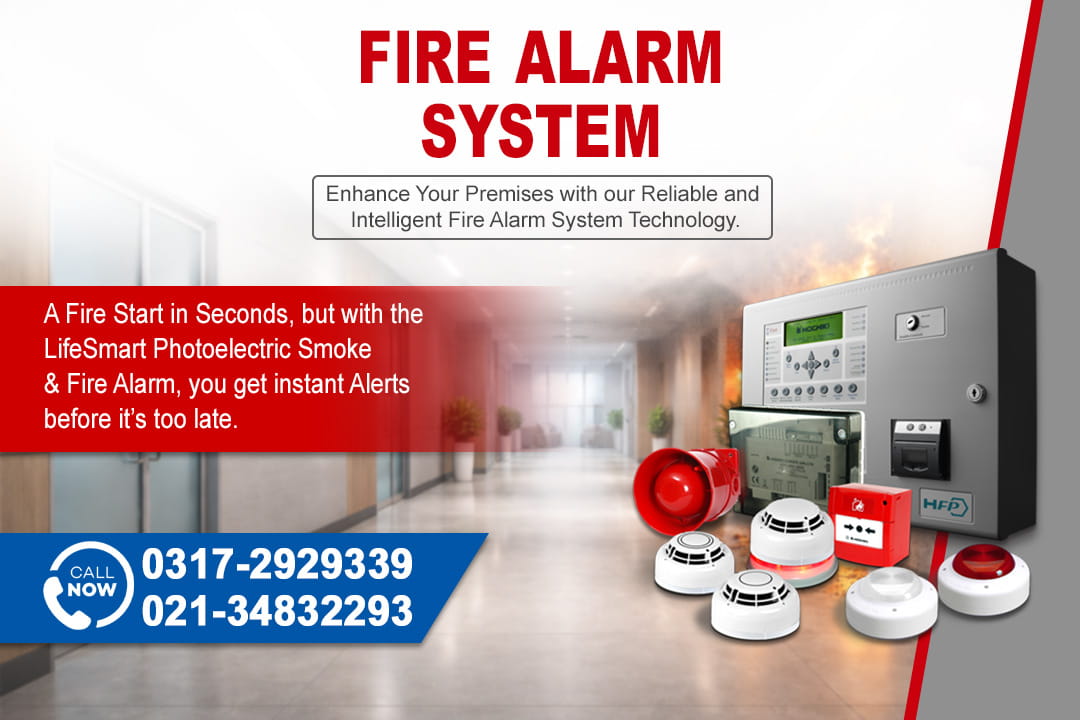
Businesses and property owners increasingly invest in high quality fire alarm equipment to ensure complete building protection. A typical fire protection setup may include control panels, smoke detectors, heat detectors, manual call points, and alarm sounders. These devices work together to create a reliable detection and notification system that operates continuously. Proper installation and integration of fire detection devices ensures that every section of a building remains protected.
An effective emergency fire alarm system is especially important in commercial and industrial environments where large numbers of people and valuable assets are present. Early warning systems provide clear audible or visual alerts so occupants can evacuate quickly and follow safety procedures. This early response helps prevent injuries, reduce damage, and improve overall fire safety management.
In Pakistan, the demand for professional fire safety systems is growing as businesses become more aware of fire risks and safety regulations. Commercial buildings, factories, educational institutions, and residential complexes now prioritize modern fire detection solutions as part of their safety infrastructure. Installing a dependable fire protection system not only improves safety but also supports compliance with fire safety guidelines and building protection standards.
Selecting the right fire detection solution requires careful consideration of building size, layout, and operational requirements. Different environments may require specific types of detectors or alarm configurations to provide complete coverage. By using advanced detection technology and properly installed fire protection devices, property owners can significantly improve safety and ensure reliable monitoring of fire risks.
A well designed fire protection strategy focuses on early detection, clear alarm notification, and efficient emergency response. Modern fire safety systems combine intelligent monitoring with dependable alarm mechanisms to protect buildings and people. With the increasing focus on building safety across Pakistan, installing an effective fire detection system has become an essential step for responsible property management and long term safety planning.
Why Every Building Needs a Reliable Fire Detection Solution
Fire incidents can occur in any type of building, whether it is a residential home, office, factory, warehouse, hospital, or shopping center. Electrical faults, overheating equipment, gas leaks, and human error are some of the common causes of fire in buildings. In many situations, a small fire can spread rapidly if it is not detected at an early stage. Because of these risks, installing a reliable fire detection solution has become an essential safety requirement for both residential and commercial environments.
Early detection is the most effective way to reduce fire related damage and protect lives. When a fire begins, smoke and heat can spread quickly through rooms, corridors, and ventilation systems. Without a proper warning system, occupants may not realize the danger until the situation becomes severe. Modern fire detection technology is designed to monitor the environment continuously and identify unusual smoke or temperature changes. This early warning allows people to take immediate action and evacuate safely.
A dependable electric fire alarm system plays a central role in detecting fire hazards and sending alerts throughout the building. Sensors and detectors installed in different areas of a property work together to monitor environmental conditions. Once smoke or excessive heat is detected, the system activates alarms and sends signals to connected devices. This automated response helps ensure that building occupants receive warnings without delay.
Another important component of building safety is the emergency fire alarm, which provides clear alerts during critical situations. Audible alarms, flashing indicators, and alarm panels help notify people in different parts of the building that immediate evacuation may be required. These warning signals are especially important in large buildings where occupants may not notice smoke or fire in distant areas.
Detectors and alarm devices work together as part of an integrated fire safety system. Smoke detectors identify the presence of smoke particles, heat detectors monitor temperature changes, and manual call points allow occupants to activate alarms when they see a fire hazard. Once the system detects a threat, alarm sounders and notification devices immediately inform everyone inside the building.
Reliable fire detection systems are particularly important in commercial environments where large numbers of employees, customers, and visitors are present. Offices, factories, and public facilities often contain valuable equipment and sensitive materials that require protection. Early detection and quick alarm notification help minimize financial loss while improving overall safety management.
For residential properties, fire detection systems provide an additional layer of protection for families and personal belongings. Even a small fire in a kitchen, electrical system, or appliance can spread quickly if it goes unnoticed. Installing modern fire detection devices helps ensure that occupants receive early warnings and can respond before the fire becomes uncontrollable.
As buildings become more complex and technology driven, the role of fire detection systems continues to grow. Reliable monitoring, fast alarm activation, and accurate detection capabilities make these systems an essential part of modern safety infrastructure. Investing in advanced fire detection solutions helps property owners create a safer environment while reducing the risks associated with unexpected fire emergencies.
Types of Fire Alarm Systems Available
Different buildings require different fire protection solutions depending on their size, layout, and operational requirements. Modern fire safety infrastructure includes several types of systems designed to detect fire risks and alert occupants quickly. Each system uses specialized detection methods and control mechanisms to monitor smoke, heat, or manual alarms. Choosing the right system helps ensure that fire detection is accurate and that emergency alerts reach people in time. The most common types include addressable systems, conventional systems, and solutions designed for commercial environments where safety monitoring must cover larger areas and more complex building structures.
Addressable Fire Alarm System
An addressable fire alarm system is designed to provide advanced monitoring and accurate identification of fire hazards within a building. This system connects multiple devices such as detectors, sounders, and manual call points to an addressable fire alarm panel, which acts as the central control unit. Each connected device has a unique address, allowing the system to identify the exact location where an alarm is triggered.
This level of intelligent fire detection helps building managers and emergency teams quickly locate the source of smoke or heat. Instead of identifying only a general area, the system can indicate the specific detector or device that activated the alarm. This makes troubleshooting, maintenance, and emergency response much more efficient.
Addressable systems are commonly installed in large buildings where precise monitoring is required. Hospitals, airports, high rise offices, hotels, and large commercial facilities benefit from this technology because it allows detailed control and monitoring across many floors and zones. With centralized monitoring and device level identification, addressable systems provide a high level of safety and reliability.
Conventional Fire Alarm System
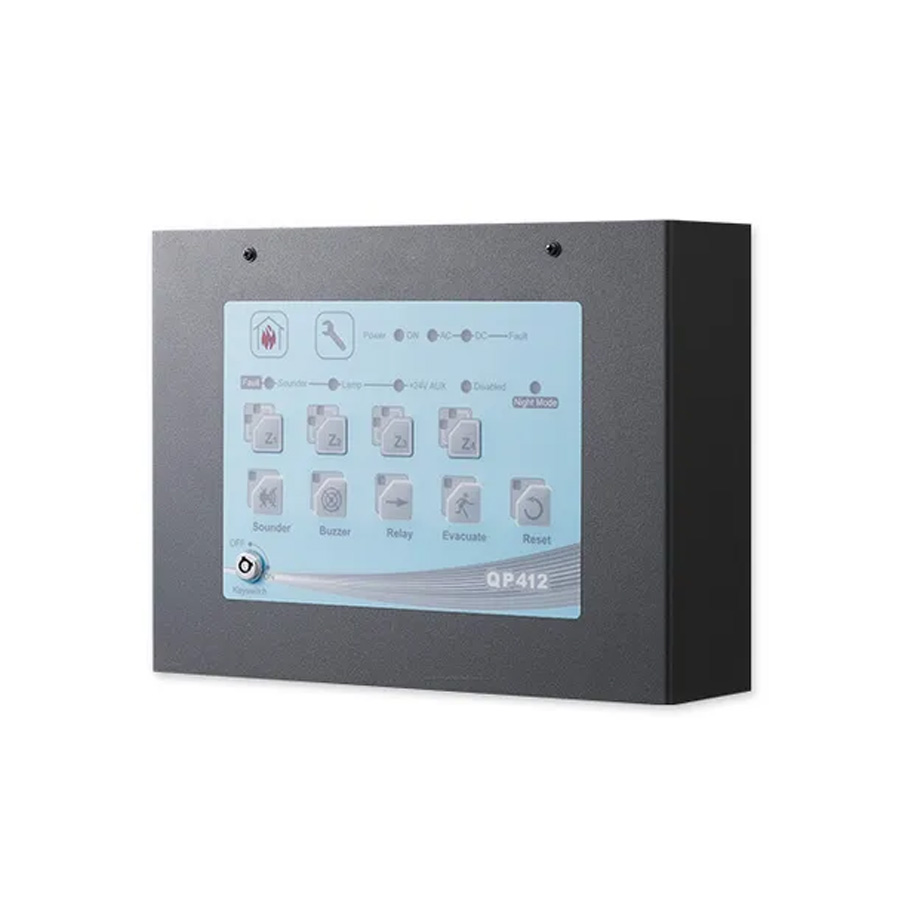
A conventional fire alarm system is one of the most widely used fire detection solutions for small and medium sized buildings. In this setup, detectors and alarm devices are grouped into different zones that connect to a conventional fire alarm panel. Each zone represents a specific area of the building, such as a floor, corridor, or department.
When a detector senses smoke or heat, the signal is sent to the fire alarm control panel, which then identifies the zone where the alarm occurred. While the system does not identify the exact device that triggered the alarm, it still provides enough information to locate the affected area quickly.
Conventional systems are often installed in schools, small offices, retail shops, and residential complexes. Their simple structure makes them cost effective and easy to maintain. Because they rely on zone based detection, they are particularly suitable for buildings where fire risks can be monitored efficiently within defined sections.
Commercial Fire Alarm System
Commercial fire alarm systems are designed to protect large business environments where fire safety must cover multiple rooms, floors, and operational areas. These systems are widely used in office buildings, shopping malls, hospitals, hotels, warehouses, and industrial facilities. In such environments, a reliable detection system is essential to protect employees, visitors, and valuable equipment.
Modern commercial fire alarm solutions combine multiple detection technologies with centralized monitoring systems. Smoke detectors, heat detectors, alarm panels, and notification devices work together to ensure that fire hazards are identified quickly and alarms are delivered across the building.
These systems are also integrated into broader building safety systems that support emergency management procedures. Alarm signals can activate sounders, flashing indicators, and evacuation alerts to guide occupants toward safe exits. In large commercial spaces, this coordinated response helps ensure that people are informed about potential dangers and can follow safety protocols without delay.
By selecting the right fire detection system based on building size and operational needs, property owners can improve safety, minimize potential losses, and create a secure environment for everyone inside the facility.
Fire Alarm Equipment Used in Modern Systems
Modern fire protection systems rely on several interconnected devices that work together to detect fire hazards and alert occupants immediately. Each component plays a specific role in monitoring environmental conditions, identifying potential fire threats, and activating warning signals across the building. High quality fire alarm equipment ensures that detection and notification occur quickly so that people can respond before a fire spreads. A well designed system combines multiple devices that communicate with each other to create a reliable safety network.
One of the most important components in any system is the fire alarm control panel. This unit acts as the central control system that receives signals from detectors and other connected devices. When smoke, heat, or manual activation is detected, the fire alarm control panel processes the signal and triggers the appropriate alarm response. In larger installations, an addressable fire alarm panel may be used to identify the exact device that activated the alarm, while a conventional fire alarm panel identifies the zone where the event occurred.
Detection devices are another critical part of fire alarm equipment. Smoke detectors monitor the air for smoke particles that may indicate the early stages of a fire. Heat detectors respond to abnormal temperature increases that occur during a fire event. These detectors are strategically installed throughout buildings to provide continuous monitoring and ensure that fire hazards are identified as early as possible.
Manual activation devices also play an important role in emergency situations. A manual call point, often referred to as a fire alarm break glass, allows building occupants to trigger the alarm system if they see smoke or flames before detectors respond. These devices are typically installed near exits, corridors, and stairways so they can be accessed quickly during an emergency.
Alarm notification devices are responsible for warning occupants once the system detects a fire hazard. Fire alarm sounders produce loud audible alerts that can be heard throughout the building. In many systems, sounders with flashers are also used to provide visual signals for people who may not immediately hear the alarm. These devices help ensure that everyone inside the building becomes aware of the emergency.
Supporting infrastructure is also included in modern fire alarm equipment setups. Control modules, power supplies, and communication wiring ensure that all components remain connected and functional at all times. Backup power sources are often included to keep the system operational even during electrical outages.
By combining detection devices, control panels, and notification systems, modern fire protection infrastructure creates a coordinated safety solution. Properly installed and maintained fire alarm equipment improves early fire detection, strengthens emergency response, and helps protect both people and property in residential, commercial, and industrial buildings.
Fire Alarm Panels
Fire alarm panels are the central control units that manage and monitor the entire fire detection system within a building. These panels receive signals from detectors, manual call points, and other connected devices. When a fire hazard such as smoke or heat is detected, the panel processes the information and immediately activates alarms and notification devices. Because of this role, the control unit acts as the brain of the entire fire protection system.
There are different types of panels designed for various building requirements. An addressable fire alarm panel provides advanced monitoring by assigning a unique address to every connected device. This allows the system to identify the exact detector or device that triggered an alarm, making emergency response faster and more accurate. A conventional fire alarm panel, on the other hand, organizes detectors into zones and identifies the general area where the alarm occurred. Both panel types play a vital role in maintaining effective fire detection and building safety.
Smoke and Heat Detectors
Detection devices are responsible for identifying the early signs of fire before it spreads. A smoke detector monitors the air for smoke particles that are commonly produced during the early stages of combustion. Once smoke is detected, the device sends a signal to the fire alarm panel to activate warning alerts throughout the building.
A heat detector operates by sensing unusual increases in temperature that may indicate a developing fire. These detectors are commonly installed in areas where smoke detectors may not be suitable, such as kitchens, parking areas, or industrial environments. By combining both smoke and heat detection technologies, fire safety systems can provide reliable monitoring in different building conditions.
Manual Call Points (MCP)
Manual call points provide occupants with the ability to activate the fire alarm system manually when they see a fire hazard. An MCP fire alarm device allows people to trigger the alarm immediately without waiting for detectors to respond. These devices are typically installed in visible and accessible locations such as corridors, stairways, and near building exits.
Most manual call points operate through a fire alarm break glass mechanism. When the glass is pressed or broken, the device sends a signal directly to the fire alarm panel, which then activates alarm sounders and other warning systems. This manual activation option ensures that occupants can quickly alert others if they notice smoke or flames before automatic detection occurs.
Alarm Sounders and Flashers
Alarm notification devices play a key role in informing building occupants about fire emergencies. A fire alarm sounder produces a loud audible signal that alerts people inside the building when the alarm system is activated. These sounders are strategically installed in different areas so that warning signals can be heard clearly throughout the facility.
In many environments, visual alerts are also important for improving awareness. Flashing alarm lights are often installed alongside sounders to support the emergency fire alarm notification process. These visual signals help ensure that alerts are noticed in noisy areas or by individuals who may not immediately hear the alarm sound. Together, sounders and flashers create an effective notification system that guides occupants to respond quickly and follow evacuation procedures during fire emergencies.
Popular Fire Alarm Brands in Pakistan
The reliability of a fire protection system often depends on the quality of the equipment and the reputation of the manufacturer. In Pakistan, several internationally recognized brands provide advanced fire safety solutions for commercial, industrial, and residential environments. These manufacturers design systems that follow international safety standards and offer dependable detection, monitoring, and alarm notification. Choosing equipment from trusted brands ensures better durability, accurate fire detection, and long term operational stability.
Well established fire safety brands provide a wide range of equipment including control panels, detectors, manual call points, and alarm devices. These products are designed to integrate easily into modern fire protection systems and support both conventional and addressable technologies. Businesses and property owners in Pakistan often select reputable brands to ensure that their fire detection infrastructure performs reliably during emergencies.
Honeywell Fire Alarm Systems
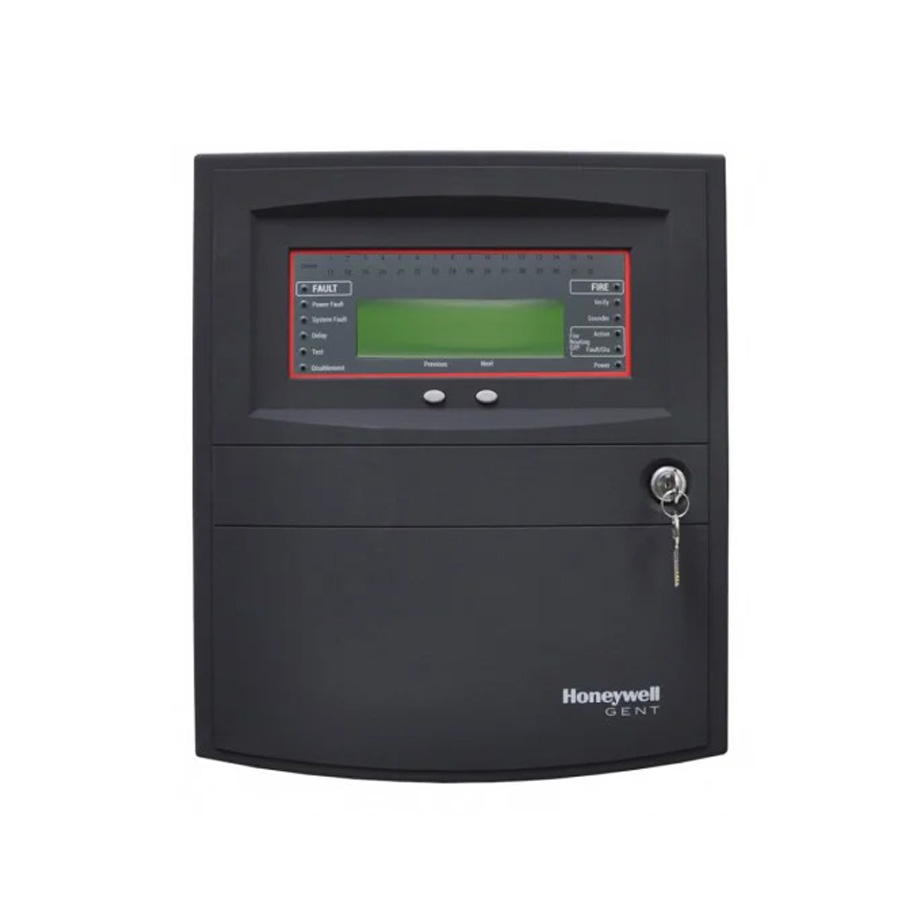
Honeywell is one of the most recognized names in the global fire safety industry. The company offers a wide range of fire detection solutions designed for buildings of different sizes and operational requirements. A modern Honeywell fire alarm panel is widely used in commercial, industrial, and residential projects for reliable fire detection and system control.
Honeywell products are known for their strong engineering standards, reliable performance, and compatibility with advanced fire safety infrastructure. A well designed Honeywell fire alarm panel integrates seamlessly with detectors, alarms, and monitoring systems to provide complete fire protection and efficient emergency response.
Many installations in Pakistan use a Honeywell conventional panel for zone based fire detection systems. These panels are suitable for small and medium sized buildings where detectors are grouped into specific zones for monitoring. For larger facilities that require advanced monitoring, a Honeywell addressable panel provides device level identification and more detailed system management. With their reliability and advanced technology, Honeywell fire alarm systems are widely used in offices, shopping malls, hospitals, and industrial facilities.
INIM Fire Alarm Solutions
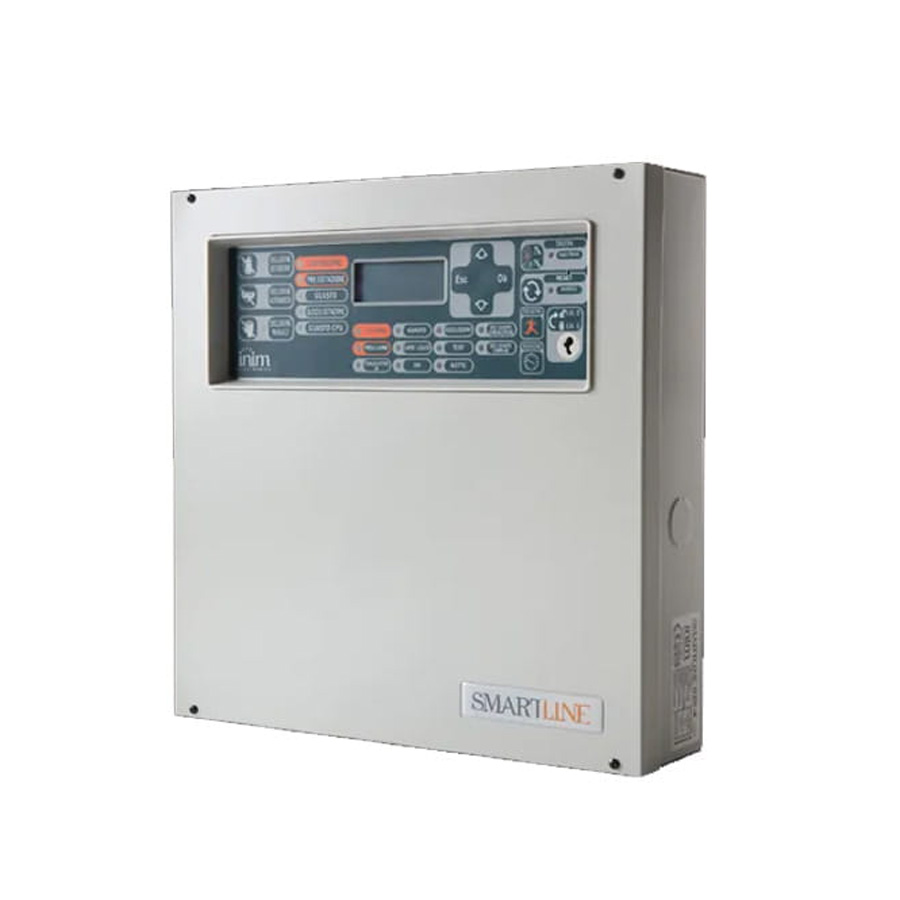
INIM is a European brand that specializes in advanced fire detection technologies. The INIM fire alarm range focuses primarily on intelligent addressable systems that offer precise monitoring and efficient communication between devices. These systems are designed to identify the exact detector that triggers an alarm, allowing building managers to locate fire hazards quickly.
The advanced architecture of INIM systems makes them suitable for complex buildings where accurate fire detection is essential. Large commercial facilities, hotels, hospitals, and multi story buildings often benefit from this level of intelligent monitoring. The flexibility of INIM solutions also allows integration with modern building management and safety systems, which improves overall fire protection performance.
Horing Lih Fire Alarm Equipment
Horing Lih is another widely used brand that provides reliable and cost effective fire detection solutions. The Horing Lih fire alarm product range is commonly associated with conventional fire detection systems used in small and medium sized buildings. These systems are known for their simplicity, stable performance, and ease of installation.
Horing Lih equipment includes control panels, smoke detectors, manual call points, and alarm sounders that work together to provide effective fire monitoring. Because of their dependable design and straightforward operation, these systems are widely used in schools, offices, retail shops, and residential complexes. Their reliability makes them a practical choice for buildings that require efficient fire detection without complex system configurations.
Fire Alarm System Price in Pakistan
The fire alarm system price in Pakistan can vary depending on several important factors such as the type of system, the size of the building, and the number of devices required for proper coverage. Every building has different safety requirements, which means the total cost of a fire protection setup can differ from one project to another. Understanding these factors helps businesses and property owners choose the right system that meets both safety needs and budget considerations.
One of the main factors that affects the fire alarm price in Pakistan is the type of system being installed. Conventional systems are generally more affordable and are commonly used in small buildings, shops, and offices where zone based detection is sufficient. Addressable systems, on the other hand, use advanced technology that identifies the exact device that triggers an alarm. Because of their intelligent monitoring and expanded capabilities, addressable systems usually have a higher installation cost but provide more precise fire detection.
Building size is another key factor that influences the fire alarm system price in Pakistan. Larger buildings require more detectors, longer wiring networks, and additional alarm devices to ensure that every section of the facility is properly monitored. Multi story commercial buildings, hospitals, shopping malls, and warehouses often require more complex fire detection infrastructure compared to small offices or residential properties.
The number of detection and notification devices also plays an important role in determining the fire alarm price in Pakistan. A complete system may include smoke detectors, heat detectors, manual call points, alarm sounders, and control panels. As the number of devices increases, the total cost of equipment and installation also rises. Proper system design is important to ensure that all areas are protected without unnecessary equipment.
Installation and configuration costs can also influence the overall fire alarm system price in Pakistan. Professional installation ensures that the system is properly connected, tested, and configured according to safety standards. Larger installations may require detailed planning, system programming, and integration with other building safety systems.
Other elements that can affect pricing include the quality of equipment, the reputation of the manufacturer, and the level of system integration required. High quality systems from recognized brands may cost more initially, but they often provide better reliability, longer operational life, and improved safety performance.
Before selecting a fire detection solution, it is important to evaluate the building's safety requirements and consult with experienced fire safety professionals. A well designed system not only provides effective protection but also ensures that the investment in fire safety equipment delivers long term value and dependable performance.
Fire Alarm System Integration With Security Systems
Modern buildings often rely on multiple safety technologies that work together to protect people and property. Integrating fire detection infrastructure with broader security systems improves overall protection and creates a more efficient emergency response environment. When fire alarms are connected with other monitoring tools, building managers can respond quickly to incidents and maintain better control over safety operations.
One of the most common integrations is the CCTV fire alarm setup, where fire detection systems are connected with surveillance cameras. When an alarm is triggered, security teams can immediately view the affected area through connected cameras. This allows them to verify the situation, locate the source of the problem, and coordinate a faster response. Video monitoring also helps security personnel guide evacuation procedures and ensure that emergency routes remain clear.
Integration also strengthens building safety monitoring by allowing multiple systems to communicate with each other. For example, when a fire alarm is activated, the system can automatically trigger several safety responses. Emergency alarms can sound throughout the building, warning lights can activate, and access control systems may unlock emergency exits to allow safe evacuation.
In advanced safety infrastructures, fire detection systems can also interact with ventilation systems and building management platforms. When smoke is detected, ventilation controls may adjust airflow to reduce smoke spread, while elevator systems may be directed to safe floors to prevent occupants from becoming trapped during an emergency. These coordinated responses help improve overall safety and reduce potential risks during fire incidents.
Another advantage of integrated security infrastructure is centralized monitoring. Security teams can supervise alarms, cameras, and other safety devices from a single control interface. This approach simplifies building safety monitoring and allows operators to track system activity in real time. If a fire alarm activates, personnel can immediately review system alerts, camera feeds, and device status to determine the most effective response.
For commercial buildings, industrial facilities, and public spaces, the combination of fire detection technology with security systems creates a more comprehensive safety framework. Integrating CCTV fire alarm monitoring with other protection systems ensures that fire emergencies are identified quickly and managed effectively. This approach helps property owners improve safety standards while maintaining better control over building security operations.
How to Choose the Right Fire Protection System
Selecting the right fire protection system is an important decision for any property owner or business. A well designed system helps detect fire hazards early, alert occupants quickly, and reduce potential damage to property and equipment. Because every building has different safety requirements, choosing suitable fire alarm equipment requires careful evaluation of several important factors. Understanding these factors helps ensure that the installed system provides reliable protection and supports effective emergency response.
One of the first considerations is the size and layout of the building. Large facilities such as factories, hospitals, shopping centers, and multi story offices require more advanced detection infrastructure to monitor multiple areas. Smaller properties may use simpler configurations with fewer devices. The building structure, number of floors, and internal layout influence how detectors, panels, and alarms should be positioned to provide full coverage.
Compliance with safety regulations and fire protection standards is another essential factor. Many commercial and industrial facilities must follow local safety guidelines that define the type of fire detection system required. Installing certified fire alarm equipment helps ensure that the building meets safety regulations and provides dependable fire protection. Compliance also helps businesses avoid safety risks and maintain proper operational standards.
The type of system used also plays an important role in selecting the right solution. Conventional systems are commonly used in smaller buildings where detectors are grouped into zones. Addressable systems provide more advanced monitoring and can identify the exact device that triggers an alarm. Choosing the correct system type depends on the complexity of the building and the level of monitoring required for effective fire detection.
Installation requirements should also be carefully considered before implementing a fire safety system. Proper installation ensures that detectors, panels, and alarm devices are positioned correctly and connected according to safety standards. Professional installation helps ensure that the emergency fire alarm system functions reliably and activates immediately when a fire hazard is detected. Incorrect installation or poor system design can reduce detection accuracy and delay alarm notifications.
Another important consideration is future maintenance and system expansion. Buildings may change over time as new areas are added or operational requirements evolve. Selecting flexible fire alarm equipment allows additional detectors and devices to be integrated into the system without major modifications. This adaptability helps maintain effective protection as the building grows.
By carefully evaluating building size, compliance requirements, system type, and installation needs, property owners can select a fire detection solution that provides reliable and long term protection. A properly designed emergency fire alarm system ensures early warning, improves safety management, and helps create a secure environment for occupants and assets.
Why Choose PAK Communication for Fire Alarm Systems in Pakistan
Selecting a reliable supplier is an important step when installing a fire protection solution. The performance of a safety system depends not only on the equipment but also on the expertise of the provider responsible for supplying and supporting the system. PAK Communication offers dependable solutions for businesses and property owners who require a high quality fire alarm system in Pakistan with professional service and long term reliability.
One of the main advantages of choosing PAK Communication is access to certified and tested safety equipment. The company provides professionally designed fire alarm equipment that meets recognized safety standards and delivers consistent performance in real world environments. Using certified components ensures that the installed system operates accurately and provides reliable detection when it is needed most.
PAK Communication also supplies products from trusted international brands that are widely used in modern fire protection systems. These brands are known for their durability, advanced detection technology, and long term operational stability. By offering reliable brands, the company helps customers install a dependable fire alarm system in Pakistan that supports effective fire detection and emergency response.
Technical expertise is another key strength. Fire detection infrastructure requires careful planning, correct device placement, and proper configuration to function effectively. The technical team at PAK Communication provides professional guidance to help customers select suitable fire alarm equipment based on building size, operational requirements, and safety standards. This approach ensures that the final system design provides full coverage and reliable monitoring.
Professional installation services also play an important role in system performance. PAK Communication offers installation support to ensure that detectors, control panels, and alarm devices are installed correctly. Proper installation helps ensure that the emergency fire alarm system responds immediately when smoke or heat is detected and that warning signals are delivered throughout the building.
In addition to installation, ongoing technical support helps maintain the reliability of fire detection infrastructure. Regular maintenance, system testing, and technical assistance help ensure that the installed system continues to operate efficiently over time. This level of support allows businesses and property owners to maintain a dependable fire alarm system in Pakistan that protects both people and property.
By combining certified equipment, trusted brands, technical expertise, and professional installation services, PAK Communication provides a complete fire protection solution. This commitment to quality and service helps customers implement effective fire detection systems that improve safety and support long term building protection.
Buy Fire Alarm Systems in Pakistan
Investing in a reliable fire alarm system is an essential step for improving safety in residential, commercial, and industrial buildings. Modern fire detection solutions are designed to identify fire risks early and alert occupants before the situation becomes dangerous. Property owners and businesses across Pakistan are increasingly adopting advanced fire alarm equipment to ensure that their buildings remain protected against unexpected fire incidents.
A complete fire protection setup includes several important components that work together to detect hazards and deliver emergency alerts. Fire alarm panels act as the central control units that manage the entire detection network. These panels receive signals from connected devices and activate alarms whenever smoke, heat, or manual activation is detected. Choosing the right control panel ensures that the system can effectively monitor all areas of the building.
Detection devices such as smoke detectors and heat detectors are another key part of fire alarm equipment. These detectors continuously monitor the environment and identify early signs of fire. Smoke detectors respond to the presence of smoke particles in the air, while heat detectors activate when abnormal temperature levels are detected. Together, these devices help ensure early detection and rapid system response.
Alarm notification devices are also an essential component of a reliable fire alarm system. Sounders and alarm indicators provide clear warning signals that alert occupants to evacuate the building. Loud alarm signals and flashing indicators help ensure that people in different areas of the building are informed about potential danger without delay.
Manual activation devices, commonly known as MCP devices, allow occupants to trigger the alarm system manually if they notice smoke or fire. These devices are typically installed in visible and accessible locations such as corridors, stairways, and near emergency exits. When activated, MCP devices immediately send a signal to the control panel, which then activates the building's alarm system.
Exploring a wide range of fire alarm equipment helps businesses and property owners select the right combination of panels, detectors, sounders, and manual call points for their specific building requirements. Proper system design ensures that every area of the property is monitored and that warning alerts reach occupants quickly.
By selecting high quality devices and installing a dependable fire alarm system, organizations can strengthen their fire safety infrastructure and improve emergency preparedness. Reliable fire detection equipment provides early warning, supports safe evacuation, and helps protect valuable assets from fire related damage.
Fire Alarm System Installation Process
Installing a reliable fire alarm system requires careful planning, proper equipment selection, and professional setup to ensure effective fire detection. The installation process begins with a detailed assessment of the building layout. During this stage, technicians evaluate the size of the property, the number of rooms, potential fire risk areas, and the type of environment where detection devices will be placed. This evaluation helps determine the most suitable fire alarm equipment needed for complete coverage.
The next step involves system design and device placement. Engineers plan the positioning of smoke detectors, heat detectors, alarm panels, and manual call points to ensure that every area of the building is properly monitored. Detectors are usually installed on ceilings or high points where smoke or heat can be detected quickly. Alarm sounders and visual indicators are placed in locations where alerts can be heard and seen clearly throughout the building.
After the design phase, technicians install the control panel that manages the entire fire detection network. The control panel connects to all detectors, call points, and alarm devices through communication wiring or network connections. Once all fire alarm equipment is installed, the system is configured and programmed to operate according to the building’s safety requirements.
The final stage of installation includes system testing and verification. Technicians activate detectors and manual call points to ensure the alarms respond correctly. This testing confirms that the emergency fire alarm system can detect hazards quickly and alert occupants without delay. A properly installed system provides reliable monitoring and improves the overall fire safety of the building.
Fire Alarm System Maintenance and Testing
Regular maintenance is essential to ensure that a fire alarm system continues to function effectively over time. Fire detection equipment operates continuously, monitoring environmental conditions for signs of smoke or heat. Without proper inspection and servicing, components may become less reliable or fail to respond during an emergency.
Routine maintenance typically involves checking the condition of all fire alarm equipment such as detectors, control panels, manual call points, and alarm sounders. Technicians inspect each device to ensure it is clean, correctly connected, and operating according to system specifications. Dust accumulation, wiring issues, or damaged components can affect system performance if they are not addressed promptly.
Testing procedures are also a critical part of fire safety management. During system testing, technicians activate smoke detectors, heat detectors, and manual call points to verify that alarms are triggered correctly. This process ensures that the emergency fire alarm system delivers clear alerts across the building and that the control panel receives signals from all connected devices.
In many commercial and industrial facilities, fire safety regulations require periodic inspections and documented testing procedures. Regular maintenance helps ensure compliance with safety standards while maintaining reliable detection capabilities. By keeping the system in proper working condition, property owners can ensure that their fire alarm equipment continues to provide effective protection for people and property.
Common Fire Safety Mistakes Businesses Make
Many businesses install fire detection systems but fail to maintain them properly or use them effectively. These mistakes can reduce the effectiveness of a fire alarm system and increase the risk of damage during an emergency. Understanding these common errors can help organizations improve their fire safety strategies and maintain reliable protection.
One common mistake is installing insufficient fire alarm equipment for the size of the building. Some businesses attempt to reduce costs by installing fewer detectors or alarm devices than required. This can leave certain areas without proper monitoring, which increases the chances that a fire may go undetected during its early stages.
Another frequent issue is poor system maintenance. Fire detection devices require periodic inspection and testing to ensure they remain operational. Ignoring routine maintenance can lead to malfunctioning detectors, weak alarm signals, or communication failures within the system. Without regular testing, the emergency fire alarm may not activate correctly during a real incident.
Improper device placement is another problem that affects fire detection accuracy. Detectors placed too close to ventilation systems, kitchens, or high humidity areas may trigger false alarms or fail to detect smoke properly. Proper planning during installation helps ensure that detectors are placed in locations where they can monitor conditions effectively.
Some businesses also neglect employee awareness and safety training. Even the most advanced fire alarm equipment cannot provide complete protection if building occupants do not understand how to respond to alarms. Training employees on evacuation procedures and emergency response plans helps ensure that alarms lead to quick and organized evacuation during a fire emergency.
By avoiding these common mistakes and maintaining proper fire safety practices, businesses can ensure that their fire detection infrastructure provides dependable protection and supports effective emergency response.
